Copper Alloy Casting
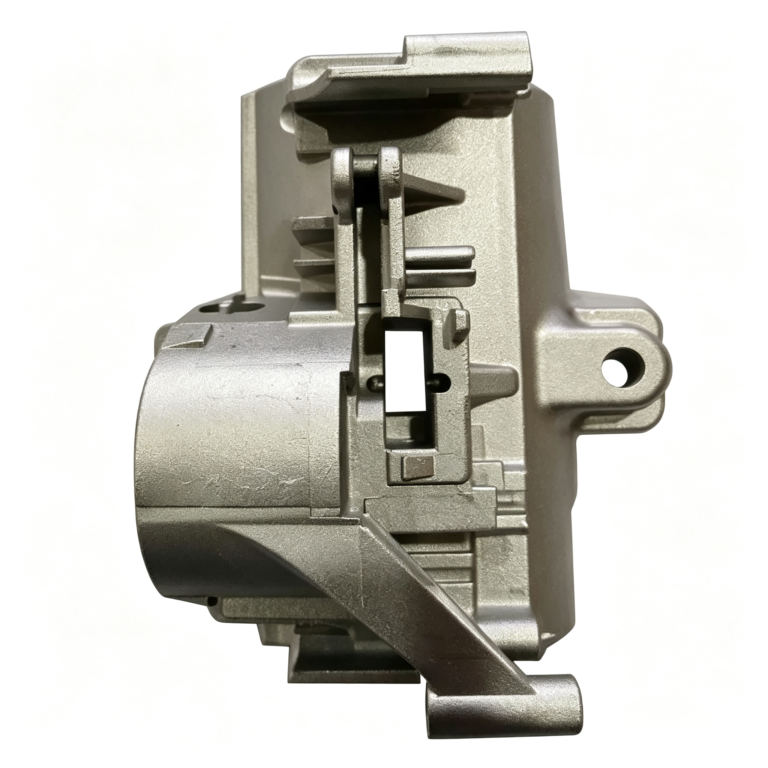
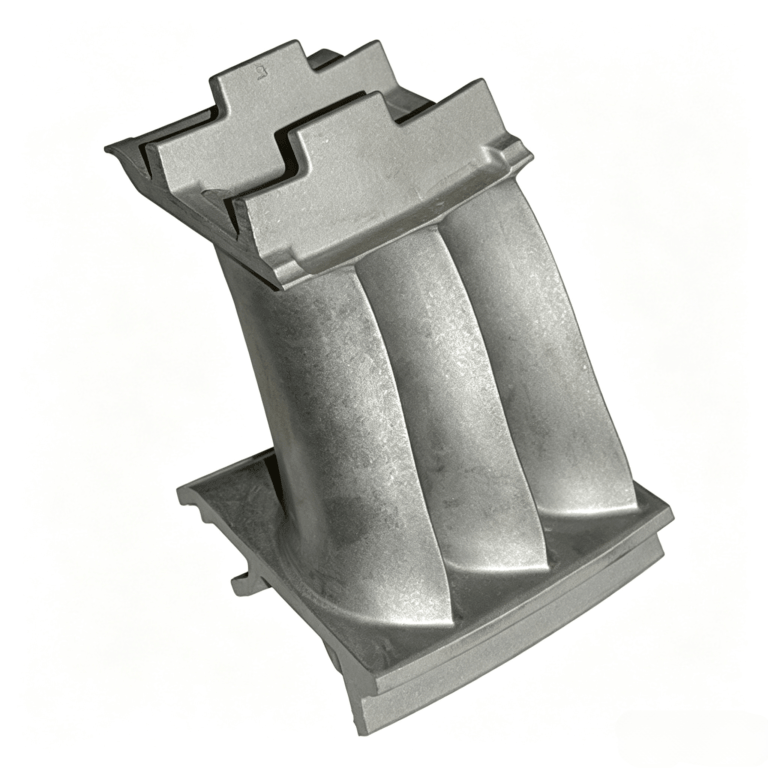
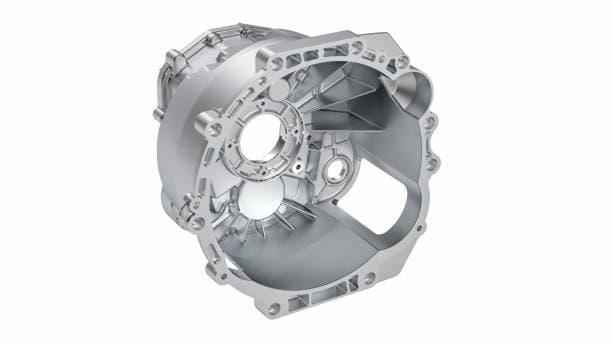
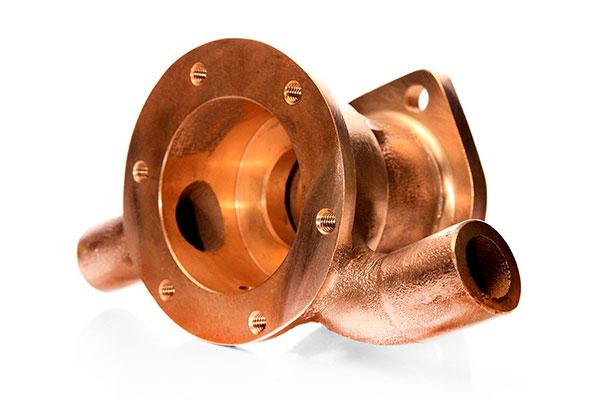
Custom copper alloy casting parts for pump, valve, pipe connection, and industrial fluid system applications.
1. Product Overview
Copper alloy castings are products based on copper with the addition of one or more other elements (such as tin, aluminium, zinc, lead, silicon, etc.) to form an alloy. According to the forming method, copper alloy castings can be divided into cast copper alloys and wrought copper alloys. Cast copper alloys, due to their limited plasticity, cannot undergo deformation processes such as forging, extrusion, deep drawing, or drawing.
These castings are widely used in machinery manufacturing, marine engineering, chemical equipment, energy and power, aerospace, and other industrial fields that demand high strength, wear resistance, and corrosion resistance. They are manufactured in compliance with national standards including GB/T 1176-2013 Casting Copper and Copper Alloys, GB/T 13819-2013 Copper and Copper Alloy Castings, and GB/T 15116-2023 Die Casting Copper Alloys and Copper Alloy Die Castings, and are suitable for a wide variety of industrial applications.
2. Product Classification
2.1 By Alloy Type
(1) Cast Tin Bronzes
Bronze castings with tin as the main alloying element, offering excellent wear resistance, corrosion resistance, and anti-friction properties. Typical grades include C93200 and ZCuSn10Pb5. Tin bronze castings are widely used in wear‑resistant parts such as bearing shells, bushings, liners, and bearings. The C93200 grade, with its high tin content, provides excellent load‑bearing capacity and friction compatibility, making it suitable for low‑speed, heavy‑load applications and environments with limited lubrication or corrosive media.
(2) Cast Aluminium Bronzes
Bronze castings with aluminium as the main alloying element, offering high strength, high hardness, and superior wear resistance. Typical grades include C95400 and ZCuAl10Fe3. These castings are suitable for high‑strength, high‑wear, and heavy‑load extreme conditions. ZCuAl10Fe3 cast copper alloy exhibits high mechanical properties, good wear resistance, and excellent corrosion resistance.
(3) Cast Brasses
Copper alloy castings with zinc as the main alloying element, offering good mechanical properties at a relatively low cost. Typical grades include YZCuZn16Si4 and ZCuZn38Mn2Pb2. Brass castings are widely used in wear‑resistant parts such as bearings and bushings, as well as structural parts like valves and fittings.
(4) Cast Lead Bronzes
High‑lead‑content bronze castings with excellent self‑lubricating properties. A typical grade is C86300. The high‑lead phase forms a lubricating film during friction, reducing resistance, and is suitable for high‑speed, high‑load conditions.
2.2 By Casting Process
The choice of casting process for copper castings depends on the alloy type, required dimensional accuracy, batch size, and cost. The common processes are divided into four main categories: sand casting, permanent mold casting, investment casting, and centrifugal casting.
- Sand Casting: The most widely used process for copper castings, suitable for most copper alloys and various batch sizes. It offers low cost and high process flexibility.
- Permanent Mold Casting (Gravity Die Casting): Uses metallic molds to accelerate solidification, refine grains, reduce porosity, and improve mechanical properties and airtightness. Dimensional accuracy reaches CT6‑CT8, and mechanical properties are superior to sand castings.
- Investment Casting (Lost‑Wax Casting): A high‑precision process achieving dimensional accuracy of CT4‑CT6, enabling “near‑net shape” production, suitable for small, complex, and high‑precision castings.
- Centrifugal Casting: Utilises centrifugal force to form castings, specialised for producing copper sleeves, bearing shells, and rings.
3. Typical Product Grades and Technical Parameters
3.1 C95400 Aluminium Bronze Castings
C95400 aluminium bronze castings are high‑performance copper‑based alloy materials designed for high‑strength, high‑wear, and heavy‑load extreme conditions.
| Parameter | Value / Description |
|---|---|
| Material Grade | C95400 (ASTM B148) |
| Chemical Composition | Cu balance, Al 10.0‑11.5%, Fe 3.0‑5.0%, Mn ≤1.5% |
| Tensile Strength | ≥620 MPa |
| Yield Strength | ≥240 MPa |
| Elongation | ≥12% |
| Brinell Hardness | 170‑210 HB |
| Density | Approx. 7.45 g/cm³ |
| Thermal Conductivity | Approx. 59 W/(m·K) |
| Service Temperature Range | ‑200℃ to +400℃ |
Applications: Bearings, bushings, worm gears, gears, and slides in heavy mining machinery; propeller bearings, rudder bearings, and seawater pump valves in marine applications; guide vane bushings for hydro turbines, sealing rings for gas turbines, etc.
3.2 C93200 Tin Bronze Castings
C93200 tin bronze castings are designed for wear‑ and corrosion‑resistant applications such as bearing shells and bushings.
| Parameter | Value / Description |
|---|---|
| Material Grade | C93200 (ASTM B22) |
| Chemical Composition | Cu balance, Sn 6‑8%, Zn 4‑6%, Pb 4‑6% |
| Hardness | 65‑80 HB |
| Tensile Strength | ≥240 MPa |
| Coefficient of Thermal Expansion | 18.5×10⁻⁶/℃ (20‑200℃) |
| Maximum Allowable PV Value | 2.8 MPa·m/s (grease‑lubricated) |
| Density | 8.8‑9.0 g/cm³ |
| Service Temperature Range | ‑100℃ to +200℃ |
Key Features: An optimised tin content (≥6%) produces a hard Sn‑Cu phase dispersed evenly, improving surface hardness and enhancing corrosion resistance against acidic media, seawater, and industrial waste liquids. Vacuum melting ensures compositional uniformity and a porosity rate <0.2%, with fatigue life improved by >50% over sand castings.
Applications: Marine rudder bearings, crusher bushings, rolling mill bearing housings, hydro turbine guide vane bushings, wind turbine pitch bearing liners, centrifugal pump bearing boxes, valve stem sleeves, railway wagon bolster sleeves, etc.
3.3 C86300 High‑Lead Bronze Castings
C86300 high‑lead bronze castings are high‑performance self‑lubricating copper‑based alloy materials.
| Parameter | Value / Description |
|---|---|
| Material Grade | C86300 (ASTM B22) |
| Density | 8.5 g/cm³ |
| Hardness | 70‑90 HB (as‑cast) |
| Tensile Strength | ≥380 MPa |
| Yield Strength | ≥170 MPa |
| Elongation | ≥20% |
| Service Temperature Range | ‑50℃ to +200℃ |
| Coefficient of Friction (dry) | 0.08‑0.15 |
Key Features: Lead content reaches 6‑8%; the high‑lead phase forms a lubricating film during friction, reducing resistance. Suitable for oil‑free environments requiring self‑lubrication.
Applications: Marine propeller bearings, mining gear wheels, rolling mill liners, synchroniser rings, steering mechanism bushings, hydro turbine guide bearings, wind turbine gearbox components, etc.
3.4 YZCuZn16Si4 Cast Brass Castings
YZCuZn16Si4 cast brass balances castability and service durability with high strength.
| Parameter | Value / Description |
|---|---|
| Alloy Grade | YZCuZn16Si4 |
| Density | 8.2 g/cm³ |
| Tensile Strength | ≥580 MPa |
| Hardness | 180‑220 HB |
| Elongation | ≥12% |
| Casting Temperature | 1080‑1150℃ |
| Service Temperature Range | ‑50℃ to +200℃ |
Key Features: Silicon‑zinc synergistic strengthening improves both hardness and toughness. Good fluidity and low shrinkage allow casting of complex, high‑precision parts.
Applications: Heavy‑duty machinery gears, bearing housings, bushings; marine propeller shaft sleeves, seawater pump bodies; chemical‑resistant valves, pump casings, agitator blades; power switchgear components, etc.
3.5 ZCuAl10Fe3 Cast Aluminium Bronze
| Parameter | Value / Description |
|---|---|
| Material Name | ZCuAl10Fe3 (10‑3 aluminium bronze) |
| Chemical Composition | Cu balance, Al 8.5‑11.0%, Fe 2.0‑4.0%, total impurities ≤1.0% |
| Tensile Strength | ≥490 MPa |
| Yield Strength | ≥180 MPa |
| Elongation | ≥13% |
| Hardness | ≥980 HB (reference) |
| Pouring Temperature | 1100‑1180℃ |
| Casting Method | Permanent mold casting |
Applications: Important castings requiring high strength, wear resistance, and corrosion resistance, such as bushings, nuts, worm gears, and pipe fittings working at temperatures up to 250℃.
4. Detailed Casting Processes
4.1 Sand Casting
Sand casting is the most widely used process for copper castings. Molding sand (silica sand + binder) is packed into a pattern, the pattern is removed to create a cavity, and molten copper is poured into the cavity. After cooling, the sand is cleaned off to obtain the casting.
Sub‑types:
- Green Sand Casting: Low cost, high efficiency, suitable for small, thin‑walled, low‑precision castings.
- Dry Sand Casting: The mold is baked to increase strength, suitable for medium‑sized, thick‑walled castings.
- Resin‑Coated Sand Casting: High cavity precision and low surface roughness (Ra 12.5‑25 μm), suitable for complex geometries.
Applicability: Suitable for all copper alloys (pure copper, brass, bronze), with casting weights from a few grams to several tens of tonnes.
4.2 Permanent Mold Casting (Gravity Die Casting)
Metallic molds (cast iron or cast steel) are used, capable of repeated use, ideal for high‑volume, high‑precision production. This process refines grain structure (especially for aluminium bronzes and manganese brasses), reduces porosity, and improves mechanical properties and airtightness. Dimensional accuracy reaches CT6‑CT8, surface roughness Ra 6.3‑12.5 μm, and tensile strength is 10‑20% higher than sand castings. For high‑lead bronzes, permanent mold casting (with water‑cooled molds) helps prevent copper segregation.
4.3 Investment Casting (Lost‑Wax Casting)
A high‑precision process using a wax pattern. The pattern is coated with multiple layers of refractory slurry to form a shell. The wax is melted out and molten copper is poured into the shell. Dimensional accuracy reaches CT4‑CT6, surface roughness Ra 1.6‑6.3 μm, enabling near‑net shape production for small, complex, high‑precision castings.
4.4 Centrifugal Casting
Centrifugal force is used to distribute molten copper uniformly within a rotating mold (300‑3000 rpm), producing tubular or ring‑shaped castings with uniform wall thickness. This is the specialised process for producing copper sleeves and bearing shells. Impurities are concentrated at the centre and removed.
5. Performance Characteristics
5.1 Mechanical Properties
Copper alloy castings exhibit excellent mechanical properties, with different grades meeting different requirements:
- High Strength: C95400 tensile strength ≥620 MPa, yield strength ≥240 MPa, capable of withstanding high static and dynamic loads.
- High Hardness: ZCuAl10Fe3 hardness ≥980 HB; YZCuZn16Si4 hardness 180‑220 HB.
- Good Ductility: Most grades have elongation between 10% and 20%.
5.2 Wear Resistance
Copper alloy castings are renowned for their wear resistance:
- Tin bronzes utilise a hard Sn‑Cu phase dispersed uniformly.
- High‑lead bronzes achieve low friction (coefficient 0.08‑0.15 dry) through lead phase self‑lubrication.
- Aluminium bronzes perform excellently under dry or poorly lubricated conditions.
5.3 Corrosion Resistance
Copper alloy castings resist many corrosive media:
- Good resistance to atmosphere, seawater, most organic acids, and alkaline solutions.
- Stable performance in humid, weak acid/alkaline environments.
- Some grades have enhanced resistance to acidic media, seawater, and industrial waste liquids.
5.4 Temperature Resistance
Different grades cover different temperature ranges:
- C95400 aluminium bronze: ‑200℃ to +400℃
- C93200 tin bronze: ‑100℃ to +200℃
- C86300 high‑lead bronze: ‑50℃ to +200℃
- YZCuZn16Si4 brass: ‑50℃ to +200℃
6. Heat Treatment
Heat treatment for cast copper alloys mainly involves annealing, while some alloys can be significantly strengthened by solution treatment + aging:
6.1 Stress‑Relief Annealing
Aims to eliminate internal stresses generated during casting and repair welding. For example, for cast aluminium bronze after welding: heat the casting to 450‑550℃, hold for 4‑8 hours, furnace‑cool to 200℃, then air‑cool.
6.2 Solution Treatment + Aging
Aims to improve physical, chemical, and mechanical properties. For YZCuZn16Si4, solution treatment at 850℃±10℃ and aging at 450℃±10℃. Furnace temperature accuracy should be controlled within ±5℃.
6.3 Homogenisation Annealing
Used to improve compositional and microstructural uniformity. For example, Cu‑Mn‑Ni‑Sn medium‑entropy copper alloys are homogenised at 780‑850℃ for 180‑240 minutes.
7. Surface Finishing
Copper alloy castings can be given various surface treatments depending on service conditions:
- Tin Plating: Enhances corrosion resistance and assembly fit.
- Phosphating: Forms a chemical conversion coating to improve corrosion resistance.
- Anti‑Oxidation Coating: Recommended for long‑term service in high‑temperature, humid environments.
- Passivation: Forms a thin oxide film to significantly improve corrosion resistance.
8. Quality Assurance and Inspection Standards
8.1 Applicable Standards
Our products strictly comply with the following national standards:
- GB/T 1176-2013 Casting Copper and Copper Alloys – specifies designations, technical requirements, test methods, and inspection rules.
- GB/T 13819-2013 Copper and Copper Alloy Castings – applies to sand, permanent mold, continuous, centrifugal, and investment castings.
- GB/T 15116-2023 Die Casting Copper Alloys and Copper Alloy Die Castings – specifies designation, technical requirements, test methods, and inspection rules.
- GB/T 12225-2005 Technical Conditions for Copper Alloy Castings for General Valves.
8.2 Inspection Items
| Inspection Item | Test Standard | Accredited Certification |
|---|---|---|
| Chemical Composition | GB/T 1176, GB/T 12225 | CNAS, CMA |
| Mechanical Properties | GB/T 1176, GB/T 12225 | CNAS, CMA |
| Macrostructure | YS/T 448-2002 | CNAS, CMA |
| Visual Inspection | GB/T 1176 | CNAS, CMA |
8.3 Quality Commitment
- Third‑party inspection reports (SGS/BV optional) are supplied with each shipment, guaranteeing both chemical composition and mechanical properties.
- Each product carries a batch traceability code for quality issue tracing.
- 12‑month warranty period; free replacement for non‑human‑induced failures.
- Customer‑specific product files are maintained, with service status tracking available.
9. Application Fields
9.1 Heavy Machinery & Mining Equipment
- Bearings, bushings, worm gears, gears, slides for large mining machinery
- Crusher liners, rolling mill bearing housings
- Large centrifugal cast copper sleeves for metallurgical machinery
9.2 Marine & Offshore Engineering
- Propeller bearings, rudder bearings, rudder bushings
- Seawater pump valve components, casings, impellers
- Wear‑resistant parts for offshore platforms, desalination equipment components
9.3 Energy & Power Generation
- Guide vane bushings for hydro turbines, wind turbine pitch bearing liners
- Wear‑resistant sealing rings for gas and steam turbines
- Collector rings for large generators, high‑voltage switchgear components
9.4 Chemical & Petrochemical Industry
- Corrosion‑ and wear‑resistant pumps, valves, extrusion screws, sealing rings, flanges
- Connecting pipes for chemical reactors, storage tank valves
9.5 Aerospace & Defence
- Landing gear bearings, helicopter rotor system wear‑resistant parts
- High‑reliability aerospace components
9.6 Automotive Industry
- Synchroniser rings, steering mechanism bushings
- Copper alloy casting production lines for automotive ductile iron parts
9.7 Other Fields
- High‑wear‑resistant mould inserts for injection moulding, screw accessories
- Non‑sparking tools, welding electrodes
- Art castings, precision copper gears
10. Customisation Services
10.1 Dimensional Customisation
- Available in plates, bars, tubes, strips, wires, forgings, and other forms
- Single casting weight range: sand casting 0.3‑2200 kg, centrifugal casting 3‑2000 kg
- Dimensional tolerances optional to ISO 8062 CT6 grade
10.2 Material Customisation
- Different alloy grades can be selected according to service conditions
- Delivery states: as‑cast, solution‑treated, or aged, as required
- Optional modified versions: graphite‑lubricated type, marine‑corrosion‑resistant type, etc.
10.3 Process Customisation
- Choice of sand casting, permanent mold, investment, or centrifugal casting based on required precision and batch size
11. Usage Precautions
11.1 Selection Advice
- Confirm material suitability according to actual service conditions (load, speed, temperature, media) before ordering.
- For frequent start‑stop applications, consider graphite‑modified versions.
- For seawater environments, prefer marine‑grade variants with added Ni.
- For axial impact loads, increase wall thickness and add axial locating flanges.
11.2 Machining Guidelines
- Cutting: use tungsten‑carbide tools at low speeds to avoid overheating.
- Welding: TIG welding is applicable, using dedicated copper alloy filler rods.
- Avoid high‑speed cutting that may cause lead phase drop‑out; use low‑speed finishing.
11.3 Storage & Transport
- Store in a dry, ventilated warehouse, away from acids, alkalis, and other corrosives.
- Wrap with rust‑proof paper; avoid storage with chloride‑containing solvents or ammonia compounds.
- Pack on wooden pallets with pearl‑foam layer separation; do not transport with acids/alkalis.
11.4 Installation & Maintenance
- Interference fit: calculate based on bore diameter (0.08‑0.12%); heating for assembly should not exceed 250℃.
- Keep mating surfaces clean during installation; regularly inspect surface wear and corrosion.
- Avoid direct galvanic coupling with dissimilar metals to prevent electrochemical corrosion.
12. Service & Support
- Technical Assistance: Free service‑condition analysis; on‑site guidance available after delivery upon request.
- After‑Sales Tracking: Customer‑specific product files with service status follow‑up visits.
- Emergency Response: Spare parts delivered within 48 hours in the Yangtze River Delta region; 72‑hour emergency channel for major industrial cities nationwide.
- Technical Cooperation: Assistance with machining process commissioning and failure analysis.
- Logistics: Custom wooden box shock‑proof packaging; global sea/air freight supported; transport insurance available.
Need Custom Alloy Casting Parts?
Send us your drawings, samples, material requirements, quantity and application information. Our team will review your project and provide a suitable manufacturing solution.